









EDITORIAL

U.S.–Nepal Partnership: Strengthening Disaster Preparedness and Saving Lives
By Hark Bahadur Tamrakar (HB Tamrakar)
Editor-in-Chief, The Ton News | www.thetonnews.com

The relationship between Nepal and the United States extends beyond diplomatic ties. It is a partnership built on cooperation, shared interests, humanitarian support, and a common commitment to the safety and well-being of people.
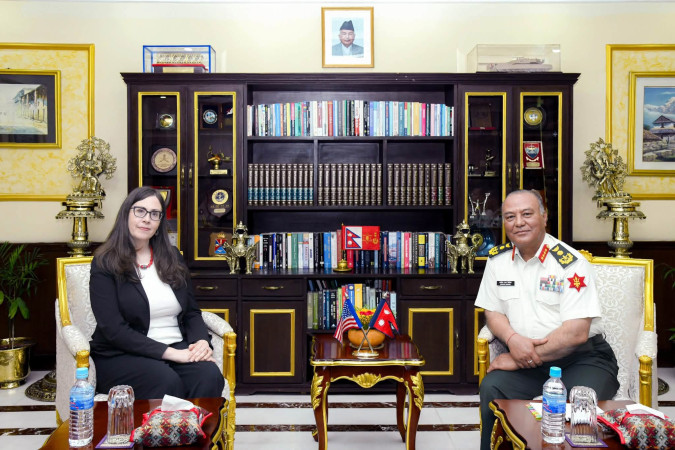
The recent meeting between U.S. Chargé d’Affaires, a.i. Megan Bouldin, and Nepal’s Chief of the Army Staff, General Ashok Raj Sigdel, highlights the importance of this partnership, particularly as Nepal continues to recover from the devastating floods of August.

Disasters remind us that human lives must always come first. The loss of lives and the disappearance of Nepali Army personnel during disaster-response operations are deeply painful reminders of the risks faced by those who serve on the front lines. The condolences expressed by the United States reflect the human dimension of international cooperation, where solidarity matters most during times of grief and uncertainty.
One significant aspect of the partnership is the announced U.S. assistance of more than $150 million in American-made helicopters, drones, and riverboats to strengthen Nepal’s disaster-response capabilities. Deliveries are scheduled to begin next year, according to the U.S. announcement. This assistance will build on the $38 million in M28 Skytruck aircraft donated by the United States in the previous fall, which have supported relief operations.
These resources could make a meaningful difference in Nepal’s ability to respond to emergencies. Helicopters can support search-and-rescue missions and medical evacuations in remote and difficult terrain. Drones can help assess disaster-affected areas, while riverboats can support rescue operations in flood-hit communities. When combined with trained personnel, effective coordination, and reliable communication systems, such equipment can strengthen the country’s emergency-response capacity.
However, equipment alone cannot guarantee disaster preparedness. Nepal must also invest in skilled human resources, regular training, maintenance systems, early-warning mechanisms, resilient infrastructure, and coordination among the Nepal Army, security agencies, local governments, and communities. The effective use of international assistance will depend on how well these elements work together.
For a country as geographically diverse and disaster-prone as Nepal, preparedness must remain a national priority. Floods, landslides, earthquakes, and other emergencies can disrupt communities within hours. Building the capacity to respond quickly and effectively is not merely a technical requirement; it is a responsibility to protect citizens and safeguard the future of the nation.
The United States’ assistance also demonstrates how international partnerships can translate into practical support. When technology, equipment, expertise, and local knowledge come together, disaster response can become more effective and communities can recover with greater resilience.
As Nepal and the United States continue their cooperation, transparency, accountability, and long-term planning will be essential to ensure that the assistance delivers its intended benefits. The ultimate measure of success should not simply be the value of the equipment provided, but the lives protected, the time saved during emergencies, and the communities better prepared for future disasters.
At a time when climate-related hazards and natural disasters pose growing challenges across the world, Nepal needs strong domestic preparedness supported by constructive international partnerships. Cooperation with the United States offers an opportunity to strengthen these capabilities and advance a shared humanitarian goal.
Because the true value of international friendship is demonstrated not only through diplomatic dialogue, but also through meaningful action when human lives are at risk.